· archived
Herd-itt: LoRa cattle monitoring and heat detection
Co-founded and ran the technology for a livestock tracking and health-monitoring platform: collar hardware, firmware, LoRa backhaul and the IoT platform.
- LoRa
- Embedded C
- PCB design
- OpenRemote
- Java
In this story: What it does · How it works · Lessons learned · How it ended · Reference
What it does
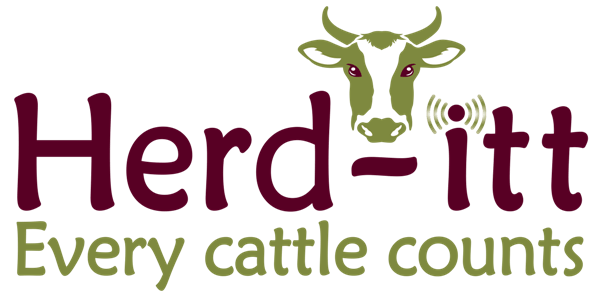
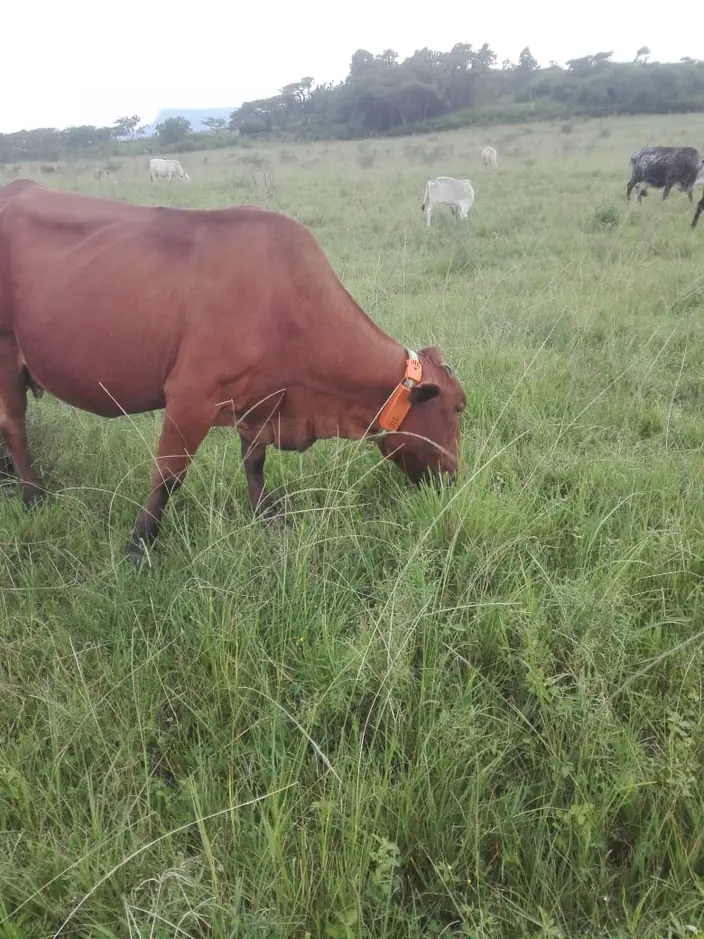
Cattle grazing across a large open area are, from a data point of view, invisible. Herd-itt put a sensor collar on the animal and gave the farmer a picture of the herd without anyone riding out to look at it: location, geo-fence crossings, herd count, and behaviour classified from movement: walking, grazing, lying, in heat, alive or not. On top of that sit the alerts that actually get someone out of bed: theft, a belt cut or removed, signs of hostility, a suspected illness. They arrive as an SMS, because a phone with one bar is what a farmer in that situation has.
Behind the alerts sits a management platform: the whole herd on one screen, with real-time data per animal, so the farmer manages from what the herd is doing now rather than from what someone saw on the last ride out.
The feature that mattered most was heat detection. A cow gives the farmer a chance to get her pregnant only 8 to 11 times a year, and each heat lasts just 12 to 18 hours. In a barn someone usually notices. In the open field, far from the farmhouse, that window passes unseen, and a missed heat is a lost cycle. Catching it is where the collar pays for itself.
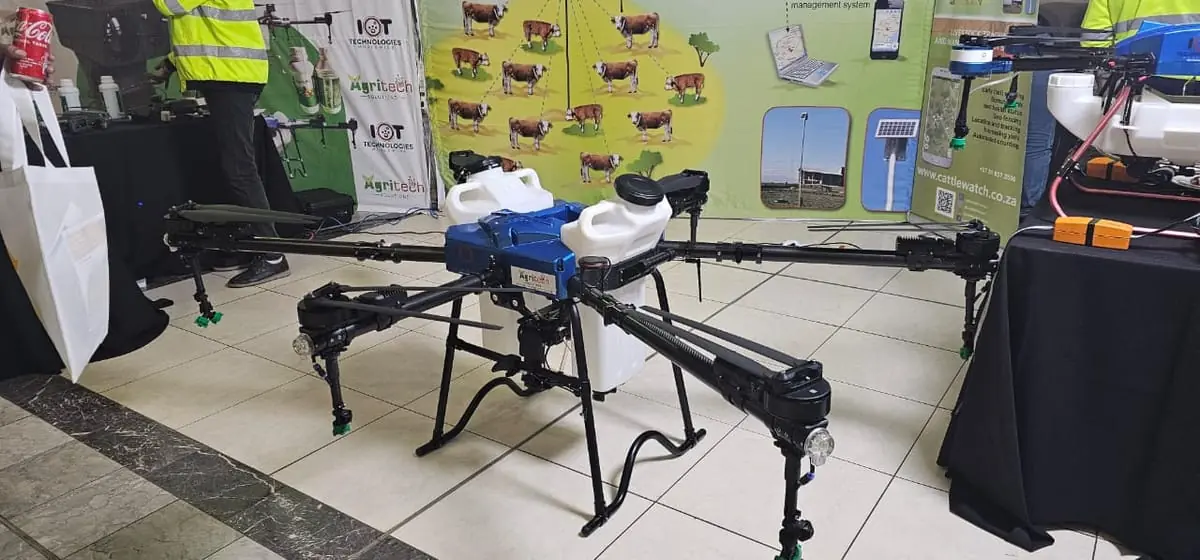
The commercial case was cost: the claim was 10–25% lower operating cost. Later the same platform was pointed at animals in nature reserves, and there was a drone strand alongside it.
How it works
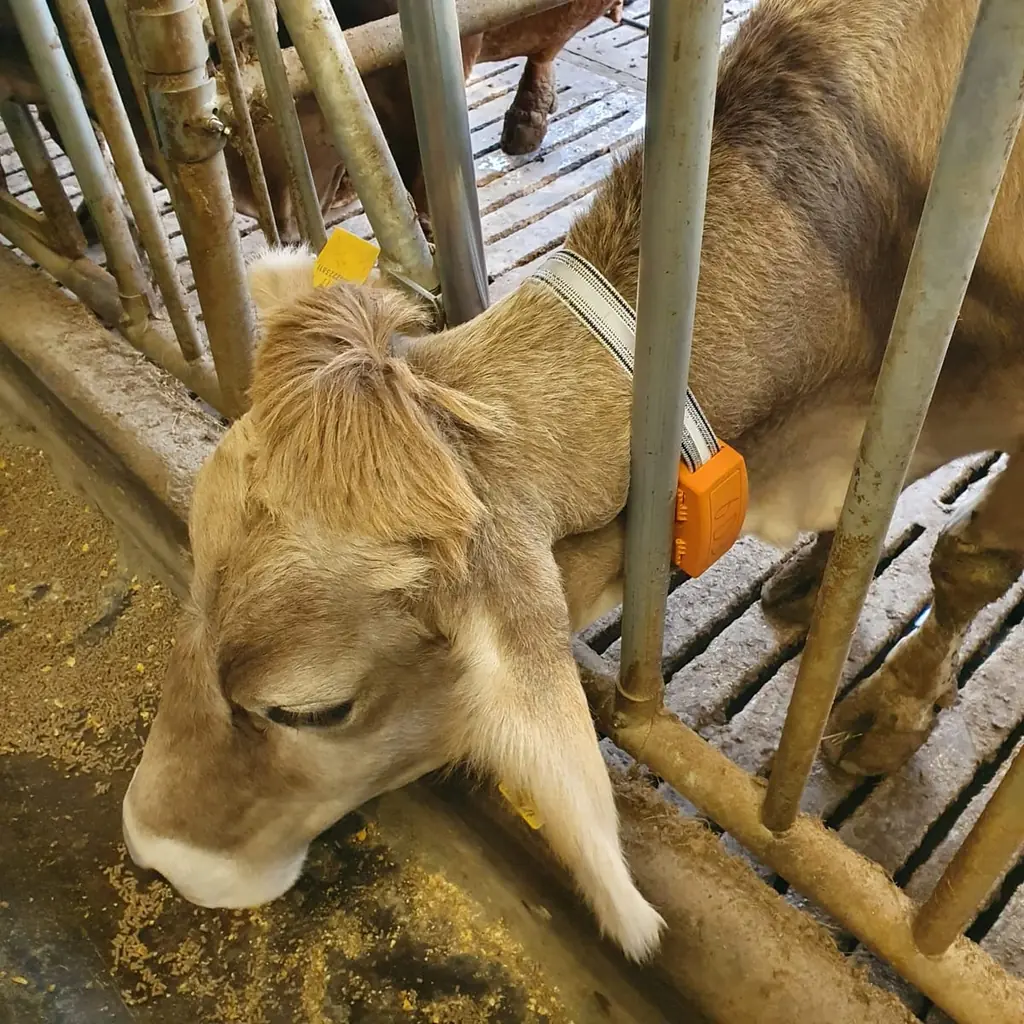
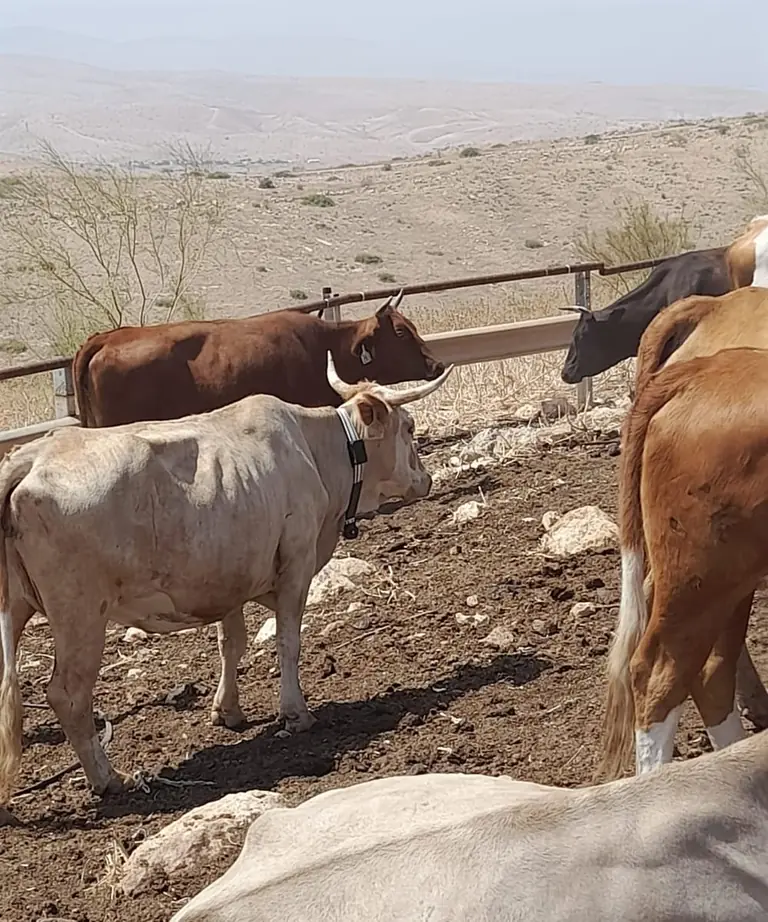
The collar is a low-power device: GPS for position, an accelerometer for behaviour, and LoRa for backhaul. LoRa is the whole reason the thing is viable: it gives kilometres of range at a power budget a collar battery can actually sustain, in places with no cellular coverage worth the name. The trade-off is a tiny, slow, duty-cycle-limited pipe, so the interesting work is deciding what not to send.
Raw acceleration is out of the question. The microcontroller on the collar does the data reduction: it boils the accelerometer signal down to a small set of core parameters, an orthogonal feature set, and only those features go over the air. The real classification into walking, grazing, lying or in heat happens in the backend, which reads the data along two axes. Vertically, in time, for one cow: how she behaves today against her own history. Horizontally, across the full herd: how she behaves against the animals around her. That combined dataset is worth gold for prediction and for managing the herd.
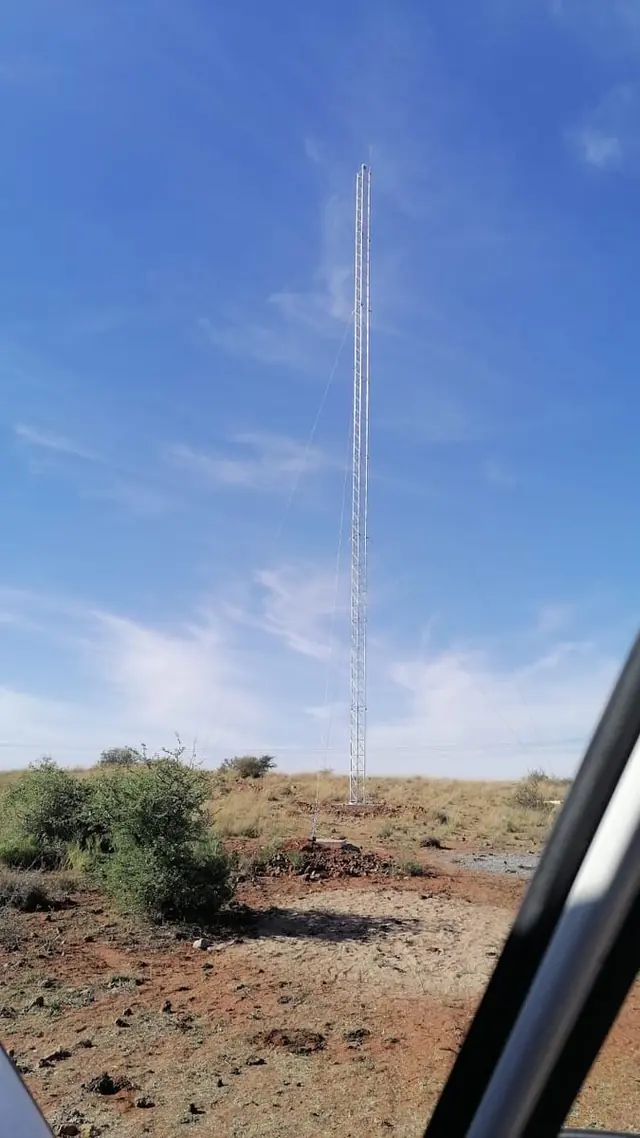
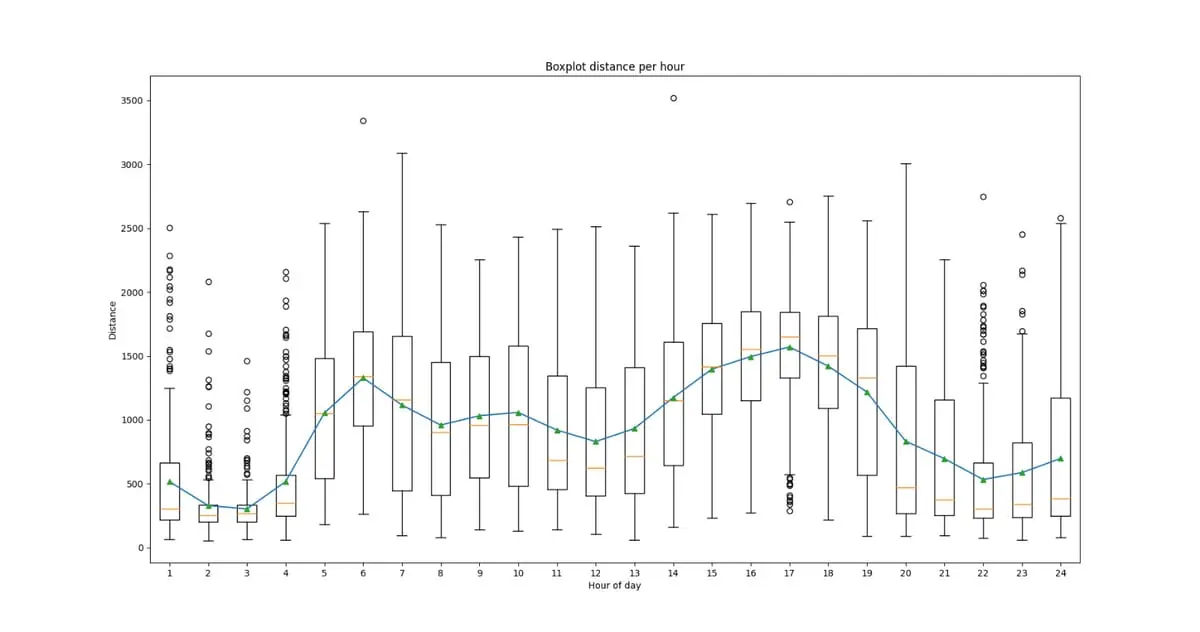
For the platform side we started out building our own, and I dropped it for OpenRemote, the open source IoT device management platform with commercial support behind it. Their agriculture domain is aimed at exactly this shape of problem: provisioning and connecting equipment, an asset model to hang devices and animals off, a rules engine for the alerting, and separated realms with role-based access so a manufacturer, a distributor and a farmer each see their own slice. Building that layer ourselves was a year of work that was not our differentiator. The collar was. Open source mattered too: no vendor lock-in on the platform that the whole business sat on.
The scope of the job was the full stack in the literal sense. Electronics and PCB design, mechanical design of an enclosure that survives being worn by a cow, firmware, the AI layer turning sensor features into behaviour, and the SaaS platform on top. I wrote the firmware and the classification myself and orchestrated an international network of specialist freelancers for the rest, which made the project management as much of the job as the engineering: a hardware revision, a firmware release and a platform change all have to land together, and the hardware has a six-week lead time the software does not.
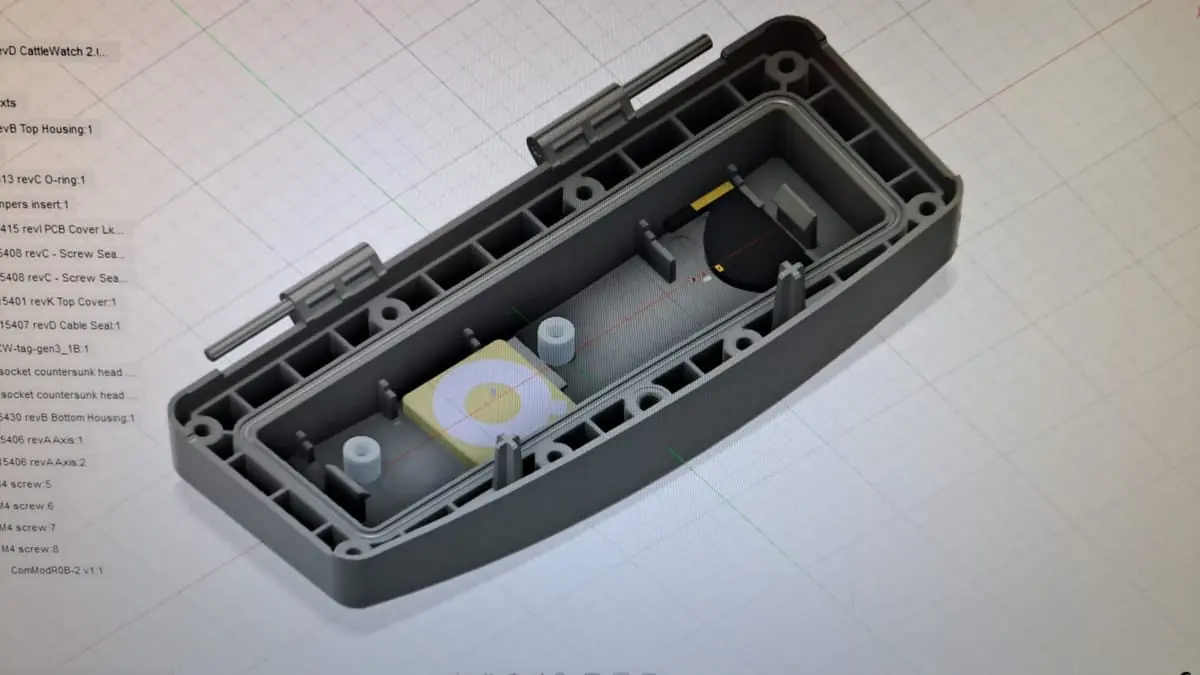
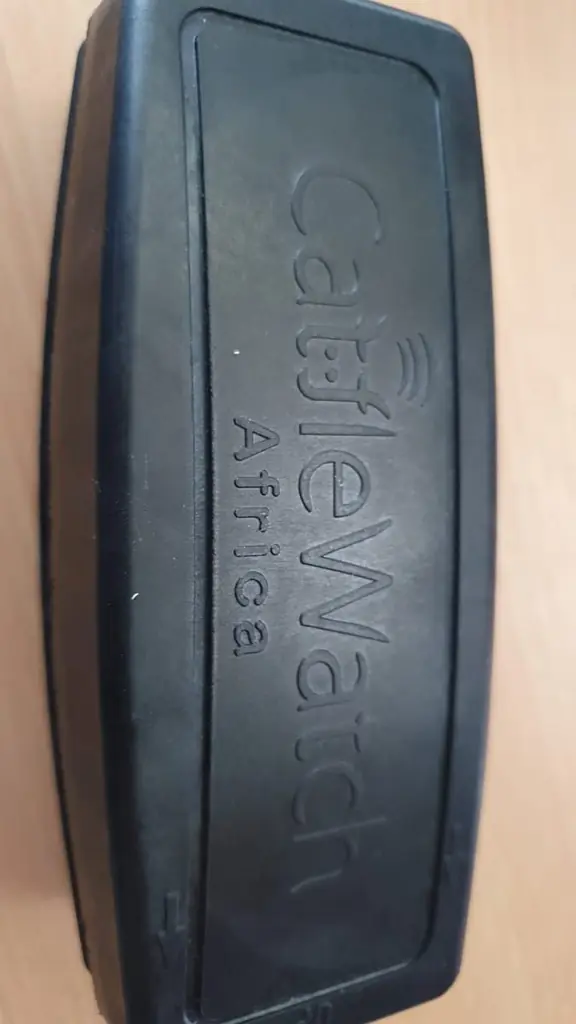
We validated it in the field through ClearFarm, a Horizon 2020 innovation action on welfare monitoring for dairy cattle and pigs, with eighteen partners across Europe, coordinated by the Universitat Autònoma de Barcelona, with Herd-itt one of the funded participants. I sat on the steering committee. It gave us something most hardware startups never get: independent, multi-country field data on whether the thing actually works.
Lessons learned
Prioritise
Do not lose time on platforms and technologies. The core of Herd-itt was the idea and the fundamental concepts that make the detection work: which features to extract, and how to read them across time and across the herd. Everything else is supporting cast, and it will happily eat your weeks if you let it.
List your risks and say them out loud
Not every part of the system carries the same risk. The backend platform can be updated any day. The firmware on a tracker around a cow’s neck, in a field somewhere without coverage, is much harder to update, and the hardware itself cannot be updated at all. The risk sits in the trackers. So when budgets are tight, cut costs on the platform, never on the trackers, and make sure everyone around the table knows why.
Plan around the slowest part
A hardware revision, a firmware release and a platform change all have to land together, and they do not move at the same speed. The platform can change any day; the hardware has a six-week lead time. So the hardware set the calendar. The firmware had to be ready for the next board, and the platform followed. Plan from the slowest part of the chain, and the rest falls into place around it.
Lead under pressure
I managed an international network of freelancers on a fixed budget: electronics, mechanical design, firmware support and platform work, each specialist with their own priorities and their own view of what mattered most. Decisions rarely waited for complete information. A hardware revision has a six-week lead time, and waiting for certainty means missing the next build.
When information was incomplete or people disagreed, I decided on the risk rather than on the opinion. The question was always the same: which mistake can we undo later, and which one can we not? A platform choice can be revisited; a board in production cannot. So the budget went first to what would be permanent, and the reversible calls were made quickly. Explaining why a choice was made, and what would make us change it, kept the freelancers on board even when the decision went against their own preference.
Measure what pays
A farmer does not pay for a collar; they pay for a calf. The feature that mattered most was heat detection, because a missed heat is a lost cycle, and that is where the collar pays for itself. So the question that counted was not how clever the collar was, but whether it caught the heat in that 12 to 18 hour window. ClearFarm gave us independent field data from several countries to answer it, instead of our own word for it.
Find partners faster
Every minute of the day not spent on the core is wasted, even when the task is easy. Hand every non-core task to a partner. I ended up dropping our home-made platform for an open source platform with commercial support, and only then could I focus on the collar and the detection. I should have done it sooner.
What I underestimated
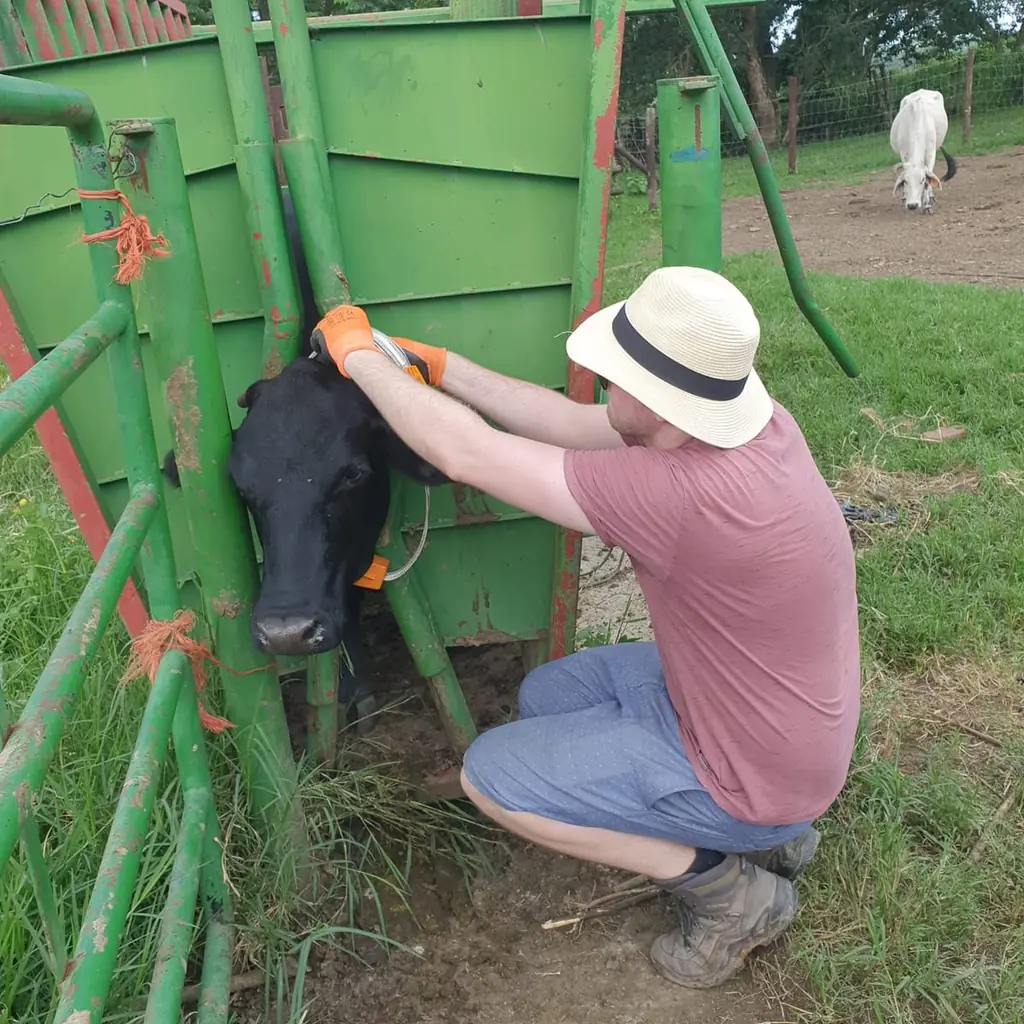
At the start I put my energy into the collar and the detection. What I underestimated was everything needed to get it on a cow far away: installation, support, and someone who speaks the farmer’s language. The local distributors did that, and without them the product could not have been deployed. That structure deserves as much attention as the product, from the first day rather than once the product is ready.
Work across cultures
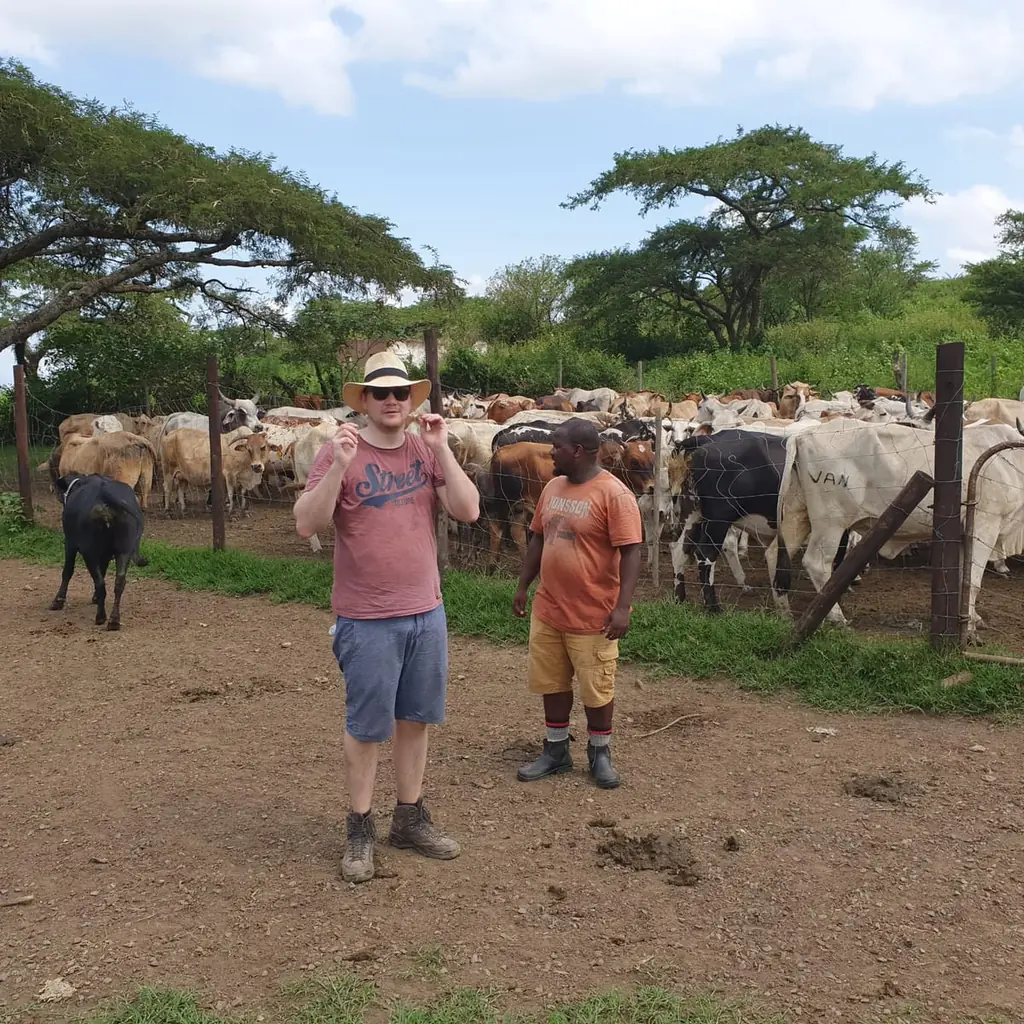
Herd-itt was international from day one: an international co-founder and investor, freelancers in several countries, eighteen research partners across Europe in ClearFarm, and local distributors and farmers in South Africa. Each group brought its own culture, and just as much its own professional language.
The differences that mattered most were less about nationality than about background. Researchers wanted data that would hold up to scrutiny; farmers wanted an SMS when a cow was in heat or a belt was cut; the investor wanted numbers; the freelancers wanted a clear specification. The same collar had to make sense to all of them, so a large part of my job was translating: the same decision explained as a risk to one group, a feature to another and a cost to a third. That is also why the local distributors mattered so much. They spoke the farmers’ language, in every sense, in a way none of us could from a distance.
Talk about it
That is how my work with Solergie began. Its founder and I got talking in a pub about what we ran into in Africa, and they had the same problems: digital communication, human communication in Africa, and a hardware supply chain. That evening became a collaboration. I stayed in my own problem space; it just turned out to be spread over two business concepts. Two completely complementary businesses running on the same technologies: that keeps focus high rather than splitting it.
How it ended
The concept was sold and my role ended with it. We built a holding for it, with local distributors handling installation and support in each region. That structure is what made the product deployable somewhere none of us could drive to.
Reference
Written on LinkedIn by Ilan Arbel, April 2026:
Peter is a technically strong leader with a clear business mindset and a strong sense of ownership, consistently driving projects to results. His breadth of knowledge is impressive, and he has the ability to quickly grasp new domains and challenges. At Herd-itt, Peter successfully oversaw the entire product chain from mechanical design and embedded electronics to cloud-based software demonstrating true end-to-end ownership. No challenge is too complex for him to manage effectively. His open and transparent communication style, both with customers and contractors, makes him a reliable and trustworthy partner to lead diverse and demanding projects
Ilan Arbel, Founder & CEO, Herd-itt